When chief executives need to make sense of what lies ahead, many turn to other CEOs more readily than to their own directors or chair. That does not necessarily indicate a failing board. It raises a more revealing question: if relevant experience is already present around the board table, why does the CEO seek it elsewhere? The answer may lie less in what directors know than in trust, timing and whether their knowledge can enter the conversation before a strategic direction has hardened.
Read MoreA frozen lake can appear solid right up until the moment it breaks.
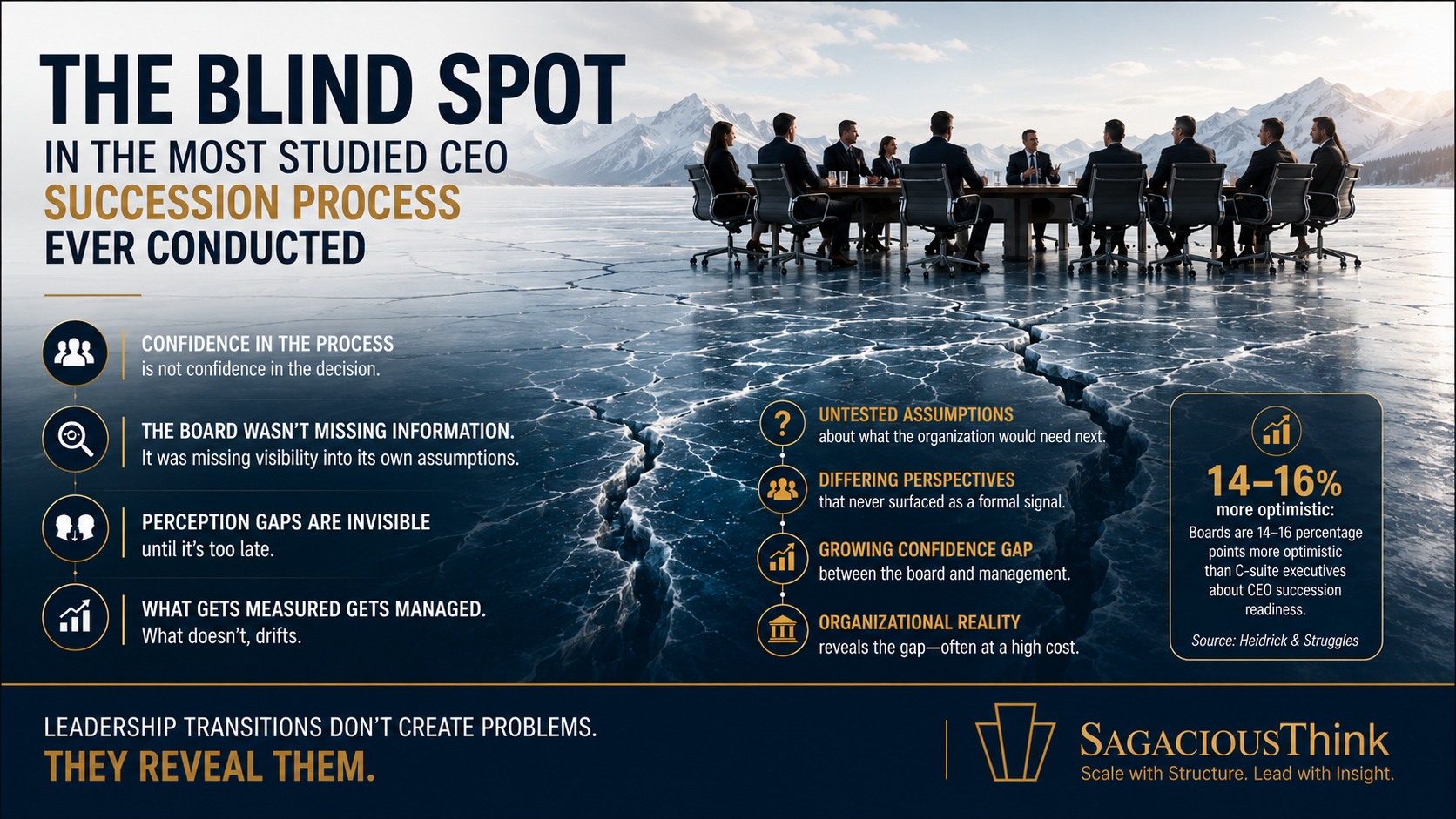
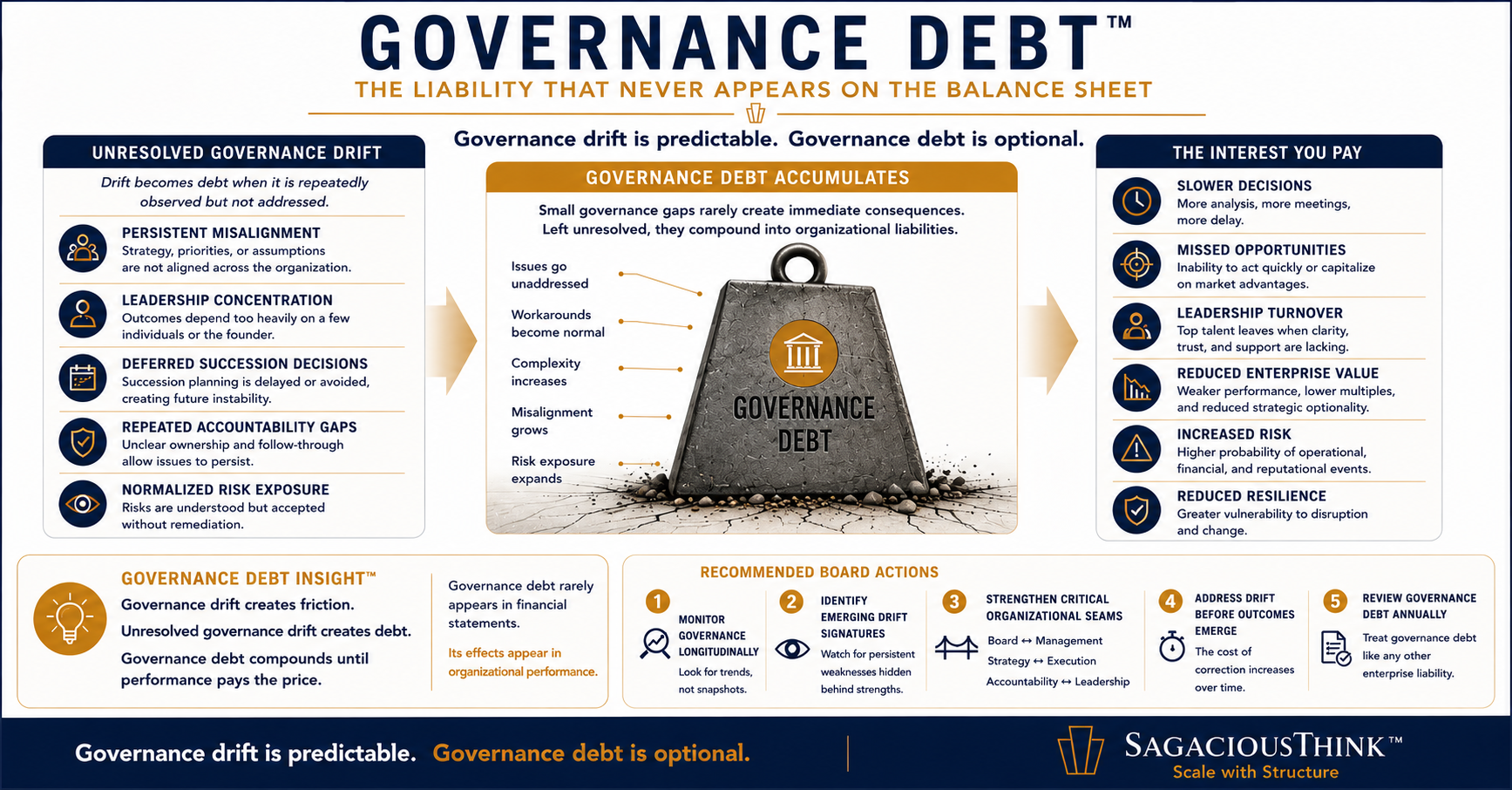
Organizations are often no different. Most governance failures don't begin with a crisis. They begin with subtle shifts that remain hidden while performance is still strong.
The strongest boards don't wait for red flags. They look for early signs of governance drift before drift becomes governance debt and debt becomes consequence.
Because organizations rarely break all at once. They drift there first.
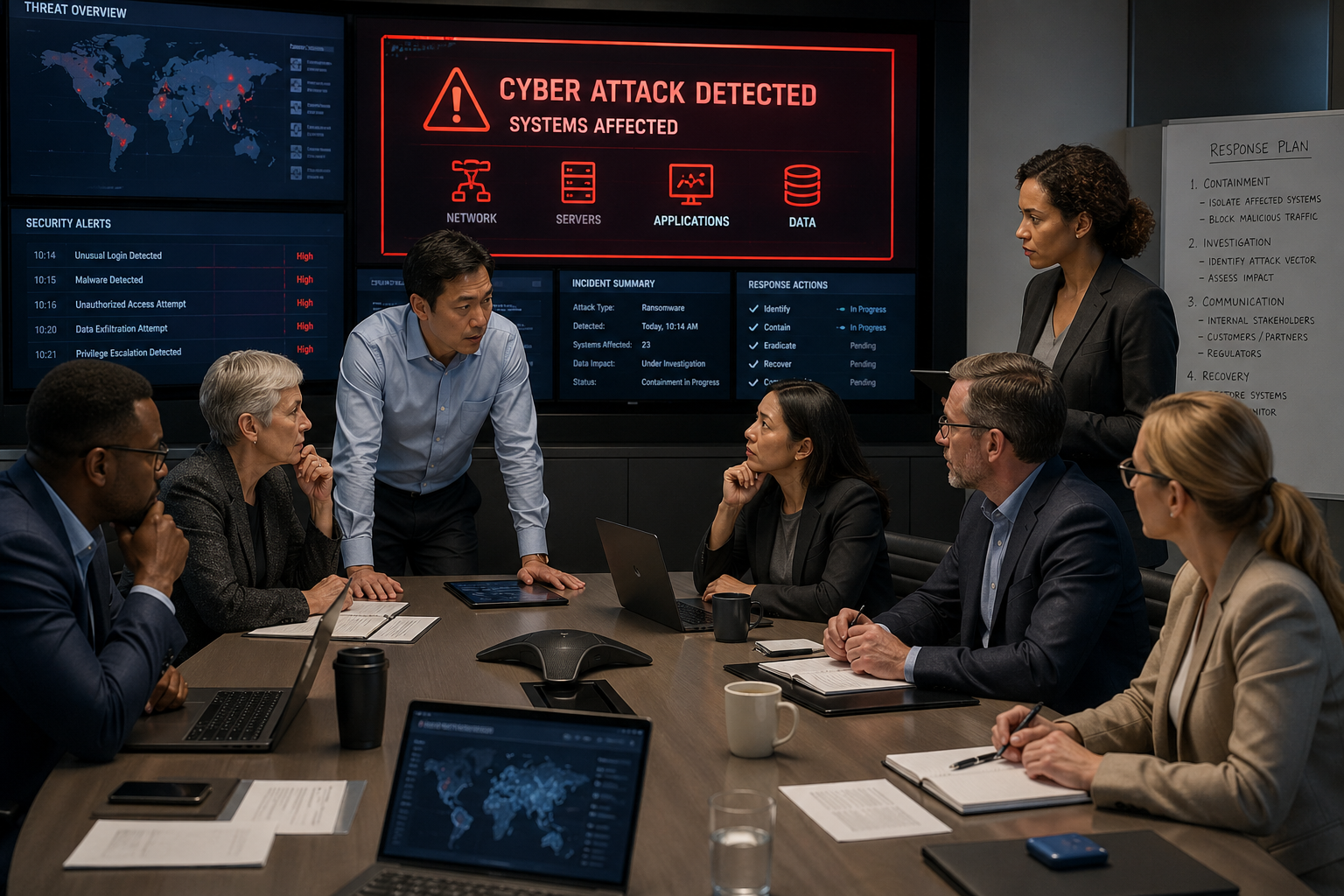
Most board directors still treat cybersecurity as something they oversee: a dashboard, a quarterly report, a briefing from the CISO. That framing is now incomplete.
Directors are not just governing cyber risk. They are increasingly part of the attack surface itself, in an environment where AI has dramatically lowered the cost, speed, and precision of attacks, the gap between what directors assume about their own exposure and what adversaries already understand is rapidly widening.
Read More